Skip to content

Doctors and patients are flying blind as medical marijuana use rises, research lags

Doctors and patients are flying blind as medical marijuana use rises, research lags

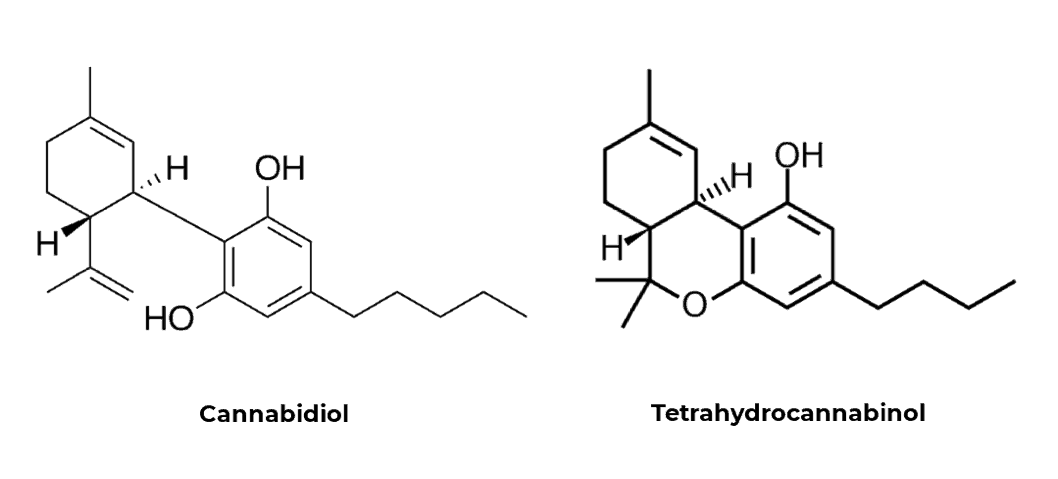
Marijuana’s role in the health care universe has grown exponentially over the past few years. Currently, 33 U.S. states have legalized the use of medical marijuana, and more and more states are considering making it legal for recreational purposes as well. As cannabis becomes more accessible, many people are turning to tetrahydrocannabinol (THC) and cannabidiol (CBD) products to treat health issues like rheumatic and musculoskeletal disease (the aches and pains of arthritis).

Unfortunately, because cannabis remains illegal and classified as a Schedule 1 drugunder federal law (defined as being of no medical use), there has been a troubling lack of scientific and medical research on the effectiveness of cannabis treatments. This dearth of evidence-based data has left many health care providers unable to counsel their patients on everything from whether a cannabis treatment could be effective for their condition, to what dosages are appropriate, to how cannabis might interact with their other medications or health conditions.

Read Full Article Here

Stories you may be interested in

Survey of oncologists finds knowledge gap on medical marijuana

As more states legalize medical marijuana, two key groups — researchers whose job is it to understand its benefits and drawbacks, and physicians charged with advising potential users — are struggling to catch up with policymakers. Ilana Braun, an assistant professor of psychiatry at Harvard Medical School and chief of the division of adult psychosocial…
Read More

LEGALIZING CANNABIS LINKED TO LESS OPIOID PRESCRIPTIONS, COULD HELP COMBAT EPIDEMIC, SCIENTISTS SAY

There are less opioid prescriptions on average in U.S. states where medical and recreational marijuana are legal, research has revealed. Access to recreational cannabis in the U.S. was tied with a 11.8 percent lower rate of opioids prescriptions each day, and 4.2 percent for medical marijuana. The authors of the paper published in the Journal of Health Economics said recreational weed…
Read More

Insomnia: A Silent Epidemic

The struggle to get a good night’s sleep is something many adults can relate to, but what if there was a natural alternative to keep those sheep jumping all night long? CBD, also known as cannabidiol, has been gaining popularity among patients to help treat pain, anxiety and so much more. Additionally, conditions such as…
Read More

You Can Get A Master’s In Medical Cannabis In Maryland

Summer Kriegshauser is one of 150 students in the inaugural class of the University of Maryland, Baltimore’s Master of Science in Medical Cannabis Science and Therapeutics, the first graduate program of its type in the country. This will be Kriegshauser’s second master’s degree and she hopes it will offer her a chance to change careers. “I…
Read More

Military Times: “Our veterans deserve the well-being that medical cannabis can provide.”

The physical and mental trauma that veterans experience as a result of their military service extends far beyond the end of their participation in combat-related roles. To recognize the sacrifices veterans have made to protect our country, state and federal lawmakers must continue to expand access to crucial treatment options and programs that assist veterans…
Read More

World Cancer Day – Shine a Light on the World

In 2018, it was estimated that 1,735,350 new cancer cases would be diagnosed in the United States and 609,640 individuals would pass from the disease [Cancer.gov]. We cannot sit by and ignore this life altering disease, which is why World Cancer Day, recognized on Feb. 4, is such an important awareness campaign to the Arfinn…
Read More

Leave a Comment

You must be logged in to post a comment.