Cannabis and autism, explained
Over the past decade, autistic people and their families have increasingly experimented with medical marijuana and products derived from it. Many hope these compounds will alleviate a range of autism-related traits and problems. But scientists are still in the early stages of rigorous research into marijuana’s safety and effectiveness, which means that people who pursue it as treatment must rely mostly on anecdotal information from friends and message boards for guidance.
Here we explain what researchers know about the safety and effectiveness of cannabis for autism and related conditions.
Stories you may be interested in
Medical marijuana users tell their stories to Medical Cannabis Study Commission
Thursday, the Medical Cannabis Study Commission held its third meeting. The Commission has been tasked with presenting a policy recommendation to the legislature on exactly what the best medical marijuana bill should look like. The Commission held a public hearing in which a number of medical marijuana users claimed that the drug has benefitted them.…
Read More 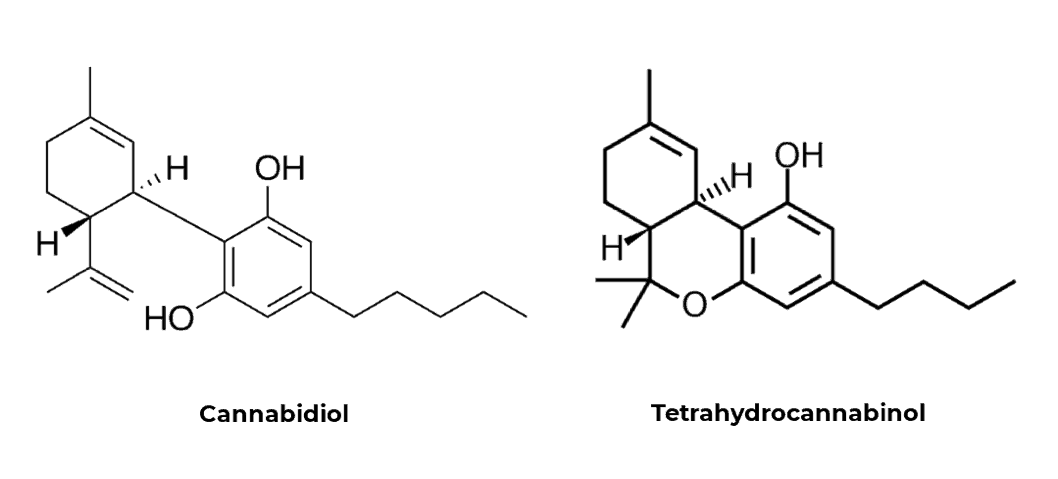
THC vs. CBD: What You Need to Know
With the rising demand of natural medicines, medical marijuana compounds THC and CBD are starting to make a name for themselves more than ever before. These two compounds have a wide range of health benefits, making it understandable why patients and physicians would be interested in this alternative treatment option. Although these two compounds are…
Read More 
COVID-19 and medical cannabis patients: What you need to know
In the midst of the COVID-19 maelstrom, the recent shuttering of nonessential stores has created concern around access to cannabis, particularly for medicinal cannabis consumers. Those who depend on cannabis for therapeutic purposes will be relieved to learn that across the US, medical cannabis dispensaries have been deemed essential services, comparable to pharmacies. As of March…
Read More 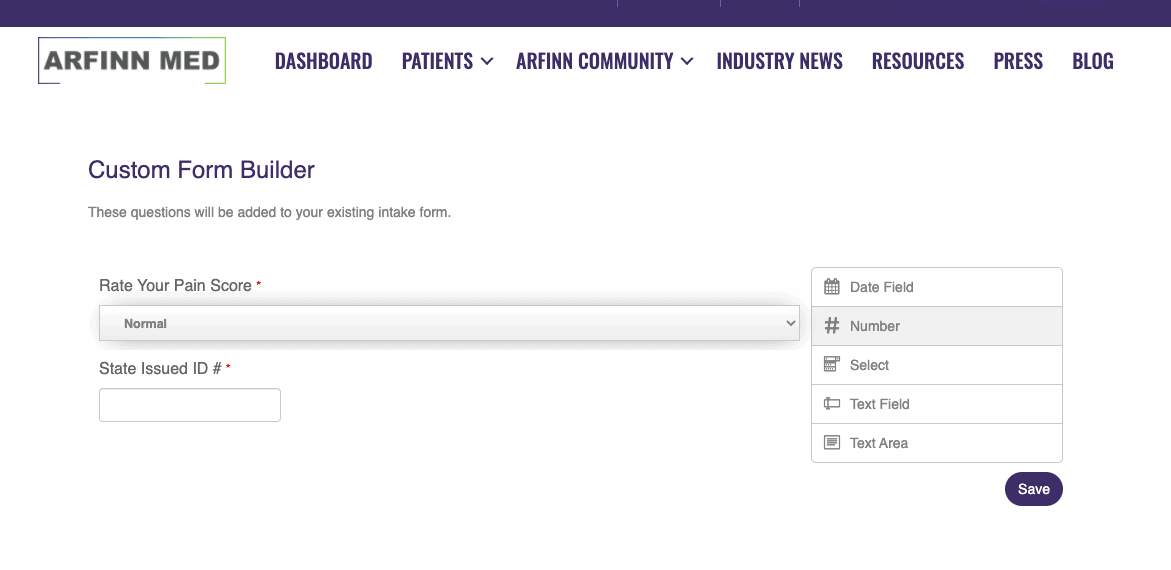
New Features
As Arfinn Med has become the leading Electronic Medical Record (EMR) and practice management solution for medical cannabis clinics, we have continued to release new features to help improve clinical workflows and patient care. Our newest feature is a custom intake form builder to help gather pertinent patient information prior to appointments. INTAKE FORM BUILDER…
Read More 
You Can Get A Master’s In Medical Cannabis In Maryland
Summer Kriegshauser is one of 150 students in the inaugural class of the University of Maryland, Baltimore’s Master of Science in Medical Cannabis Science and Therapeutics, the first graduate program of its type in the country. This will be Kriegshauser’s second master’s degree and she hopes it will offer her a chance to change careers. “I…
Read More 
Norfolk research company plans clinical trials using medical marijuana
Eighteen months after receiving a broad federal license for importing medical cannabis, a Norfolk research company is about to embark on a series of critical studies into a variety of medical and mental disorders, diseases and conditions. Sanyal Biotechnology is already considering proposals for research campuses and planning its first clinical trial for this summer.…
Read More