Skip to content

CEO Spotlight: James West

CEO Spotlight: James West

As a former academic coordinator for the City University of New York Research Foundation and Medgar Evers College, CEO and co-founder of Arfinn Med, James West, has extensive experience in adult education and professional training programming. James put this extensive education to good use when he noticed that there was a direct need for a new Electronic Medical Record system in the medical marijuana industry.
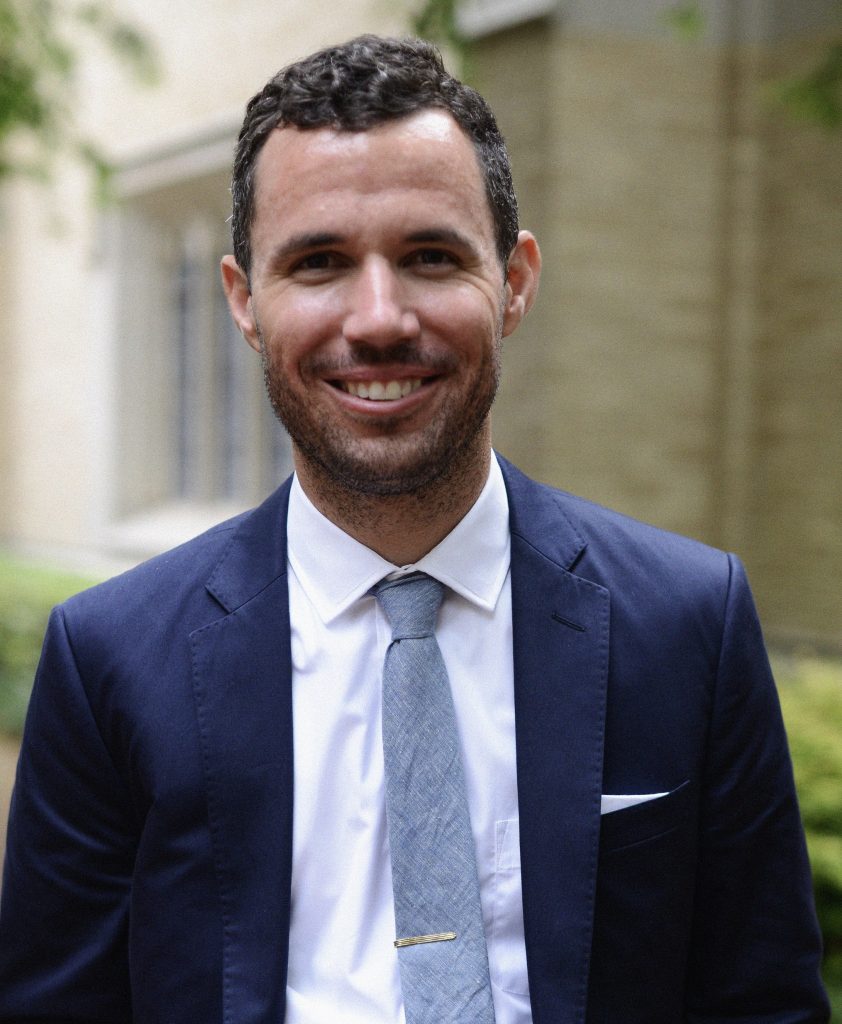
James first became interested in CBD and its benefits after coming across a number of news stories covering the revolutionary medical treatment. To start his journey into the medical marijuana industry, James conducted research on his own and spoke with numerous medical professionals on the topic. While researching, he realized that many medical professionals were interested in prescribing medical cannabis, but lacked access to sufficient research and data.

To help fix this issue, James created Arfinn Med, the first ever clinician-based medical professional and patient efficacy portal for medical marijuana treatment. With his experience top-of-mind, James’ objective for creating the Arfinn Med portal was to provide a digital warehouse of data from credible medical sources.

Arfinn Med is a free service that welcomes any and all licensed medical professionals to register, no matter the state of practice and medical marijuana legalization. Some additional features the portal provides Arfinn Med members include direct patient updates, the ability to view previous case studies conducted by licensed medical professionals, industry updates and so much more!

If you’re ready to join a nationwide network of licensed medical professionals to learn and share best practices and treatment efficacies for medical marijuana, join Arfinn Med for free today.

Stories you may be interested in

Medical Marijuana a Hit With Seniors

In a new survey, those who turned to it for treating chronic pain reported it reduced pain and decreased the need for opioid painkillers. Nine out of 10 liked it so much they said they’d recommend medical pot to others. “I was on Percocet and replaced it with medical marijuana. Thank you, thank you, thank you,” said one senior. Another patient put…
Read More

Cannabis and autism, explained

Over the past decade, autistic people and their families have increasingly experimented with medical marijuana and products derived from it. Many hope these compounds will alleviate a range of autism-related traits and problems. But scientists are still in the early stages of rigorous research into marijuana’s safety and effectiveness, which means that people who pursue…
Read More

Cannabis reduces blood pressure in older adults, according to Ben-Gurion University researchers

Beer-Sheva, Israel…February 8, 2021 – A new discovery by researchers from Ben-Gurion University of the Negev (BGU) and its affiliated Soroka University Medical Center shows that medical cannabis may reduce blood pressure in older adults. The study, published in the European Journal of Internal Medicine, is the first of its kind to focus on the effect…
Read More

Colorado looks to medical marijuana to ease opioid crisis

As the nation grapples with an opioid crisis that kills more than 130 people every day, Colorado thinks a solution may lie in a joint, a vape pen or a topical. On Friday, it becomes the third state in the nation after New York and Illinois to allow doctors to recommend medical marijuana for any condition…
Read More

Combating Opioid Dependence

The opioid epidemic is a hot topic across the United States, along with the alternatives that could alleviate the tragic consequences the epidemic brings. Opioids, also known as narcotics, are strong prescription pain relievers such as oxycodone, hydrocodone and fentanyl. Although illegal, heroin is also considered to be an opioid. Most patients are introduced to…
Read More

Are You Prepared For Questions About Medical Cannabis?

With over 85% of Americans supporting legalizing medical cannabis, it’s inevitable that patients will begin asking their primary care doctors about its use and overall efficacy. Doctors and other medical professionals will be called upon to be ‘sense-makers’ for a treatment they never studied in medical school and have limited available research to draw upon. …
Read More