Insomnia: A Silent Epidemic
The struggle to get a good night’s sleep is something many adults can relate to, but what if there was a natural alternative to keep those sheep jumping all night long? CBD, also known as cannabidiol, has been gaining popularity among patients to help treat pain, anxiety and so much more. Additionally, conditions such as anxiety and pain can have a huge impact on someone’s ability to sleep. Skip the ZzzQuil and try a more natural alternative, like CBD, to get the sleep you deserve.
Insomnia: A Silent Epidemic
A lack of sleep is something that is easily brushed off and muscled through for many adults, but the issue has steadily increased to a point that the Centers for Disease Control have deemed it a public health epidemic. Insomnia can have serious implications on your physical and mental health, making it something that should absolutely not be ignored.
According to the CDC, one in three adults aren’t getting enough sleep – at least seven hours per day. If not addressed, this can lead to chronic conditions including mental distress, obesity, diabetes, heart disease and more. The CDC’s research showed many ways that Americans are suffering from insufficient sleep, for example:
- 23.2% of survey respondents (almost 50 million people) reported problems concentrating during the day
- 11.3% (24 million) indicated a lack of sleep interfered with their driving
- 8.6% (18 million) reported that sleep deficiency interfered with job performance
Overall, the rise in insufficient sleep is placing those who suffer from the condition at greater risk of car crashes, medical mistakes and industrial accidents. In addition, sleep disorders represent an increasing threat to public health for a host of medical conditions, including cancer. (SleepDr.com)
How CBD Can Help
Cannabinoids work by attaching to specific cells that have various effects on the body. Some research indicates that CBD may interact with specific receptors that could potentially affect one’s sleep and wake cycle. With CBD’s calming effect on the central nervous system, adults in a recent study from Kaiser Permanente were able to alleviate anxiety and sleep during the first month.
For some, sleep medications have been a saving grace for sleep deprivation, but these medications can have addictive and unwanted side effects. Additionally, there is a strict limit to the dosage levels one can take in order to effectively improve sleep. As far as CBD delivery methods, edibles and oils can offer a long-lasting effect that could help one stay asleep longer and later into the night. For fast relief, vaping could be a good way to go, however, the effects of vaping CBD do wear off quicker. Before switching to CBD, it’s important to consider your needs and how you want it to affect your symptoms.
Interested in learning more about medical cannabis efficacies for insomnia or other qualifying conditions? Join Arfinn Med for FREE today to access HIPAA compliant, peer-to-peer data on medical marijuana treatment efficacies, discuss treatment plans with other licensed physicians and stay up-to-date on all of the latest industry findings.
Sources:
https://www.sleepdr.com/the-sleep-blog/cdc-declares-sleep-disorders-a-public-health-epidemic/
https://www.cdc.gov/media/releases/2016/p0215-enough-sleep.html
Stories you may be interested in

Systematic review: Efficacy and safety of medical marijuana in selected neurologic disorders
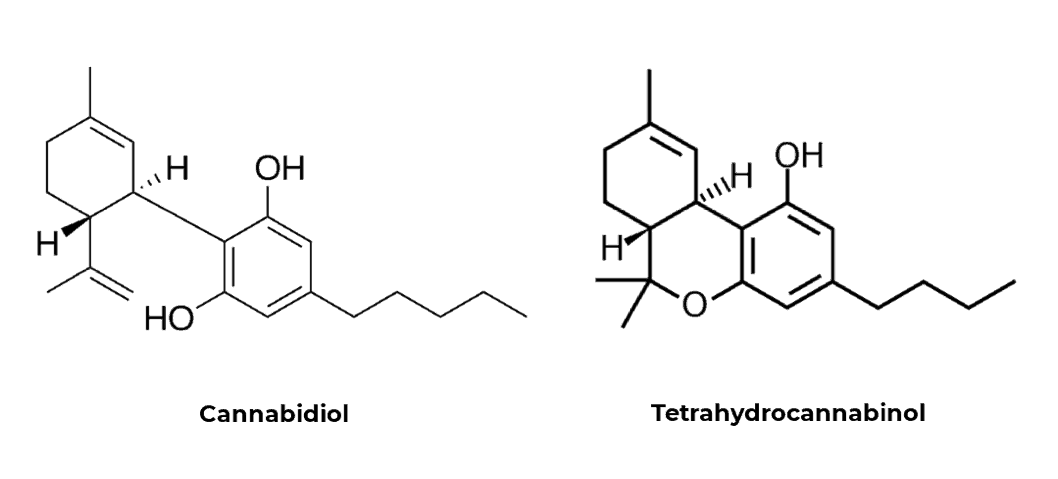
THC vs. CBD: What You Need to Know
Florida doctors face new rules for medical marijuana (And how Arfinn Med can help)

DeSantis OKs telehealth for Florida medical marijuana patients

Florida medical marijuana dispensary now sells the state’s first cannabis tablet