Medical Marijuana Faces Acceptance Barrier by Hesitant Medical Schools
A new study shows a growing interest by university pharmacy programs in teaching about medical marijuana in their curriculum, while medical schools seem to lag behind.
Sixty-two percent of U.S. pharmacy school respondents queried in a new survey said they included medical marijuana in their doctorate of pharmacy curriculum.
That’s according to a nine-page study co-authored by faculty from the University of Pittsburgh School of Pharmacy, which appeared in the January 2019 issue of the journal Currents in Pharmacy Teaching and Learning. The results point to the growing role of marijuana as a therapeutic treatment. Read the full article.
Stories you may be interested in

Medical marijuana helped elderly with chronic pain and reduced their use of opioids, study found
Your grandparents’ chronic aches and pains might best be eased with a little weed, a new study suggests. Not only did folks over 75 who took medical marijuana report less pain, their use of pot-based capsules, tinctures and e-cigarettes allowed a third of these patients to reduce their use of opioid painkillers, researchers found. “Medical marijuana, in…
Read More 
Updated Arfinn Med Scheduler
As your practice begins to grow, it’s important that your booking system is able to keep up. That’s why Arfinn Med has just released, in its newest update, the multi-view scheduling and booking platform. This allows you and/or your staff the ability to customize appointment types, hours of availability, display name, and confirmation emails for…
Read More 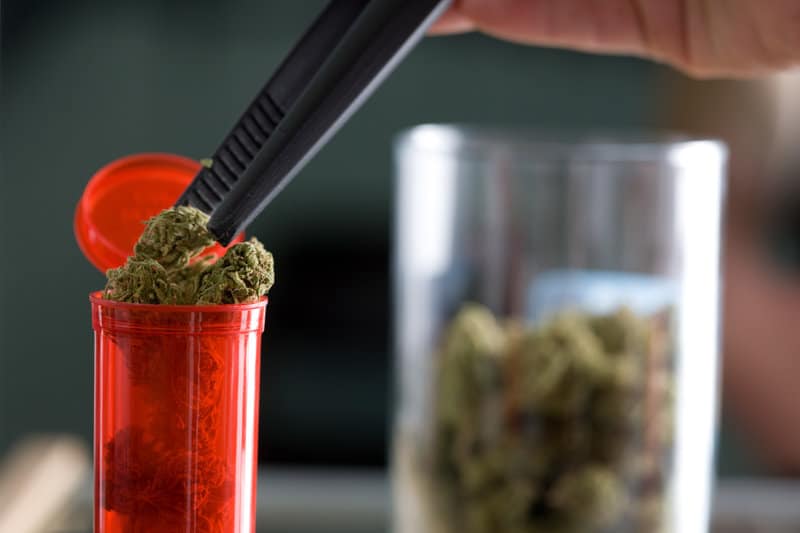
After 50 Years, U.S. Opens The Door To More Cannabis Crops For Scientists
After more than 50 years, the federal government is lifting a roadblock to cannabis research that scientists and advocates say has hindered rigorous studies of the plant and possible drug development. Since 1968, U.S. researchers have been allowed to use cannabis from only one domestic source: a facility based at the University of Mississippi, through a…
Read More 
PTSD and Cannabis
Post-Traumatic Stress Disorder (PTSD) is a psychiatric disorder that occurs in people who witnessed or have gone through a traumatic event. That can include events such as natural disasters, war/combat, a serious accident, or personal assault, among others. People suffering from PTSD have disturbing thoughts and feelings related to the traumatic event that can last…
Read More 
Older adults and medical marijuana: Reduced stigma and increased use
As a primary care doctor who has incorporated medical cannabis into his practice, it is notable how many silver-haired patients are coming in to discuss the pros and cons of a trial of medical cannabis. These patients range from people in their 60s with kidney failure who can no longer take certain pain medications but…
Read More 
Finally, Georgia can grow medical marijuana. Here’s what you need to know.
Four years ago, Governor Nathan Deal signed into law Haleigh’s Hope Act, which made low-THC cannabis oil legal to use by those with certain medical conditions. However, as it was still against the law to buy or grow marijuana in the state, it was virtually impossible to obtain the oil in Georgia. Patients were forced…
Read More