Skip to content

Older adults and medical marijuana: Reduced stigma and increased use

Older adults and medical marijuana: Reduced stigma and increased use

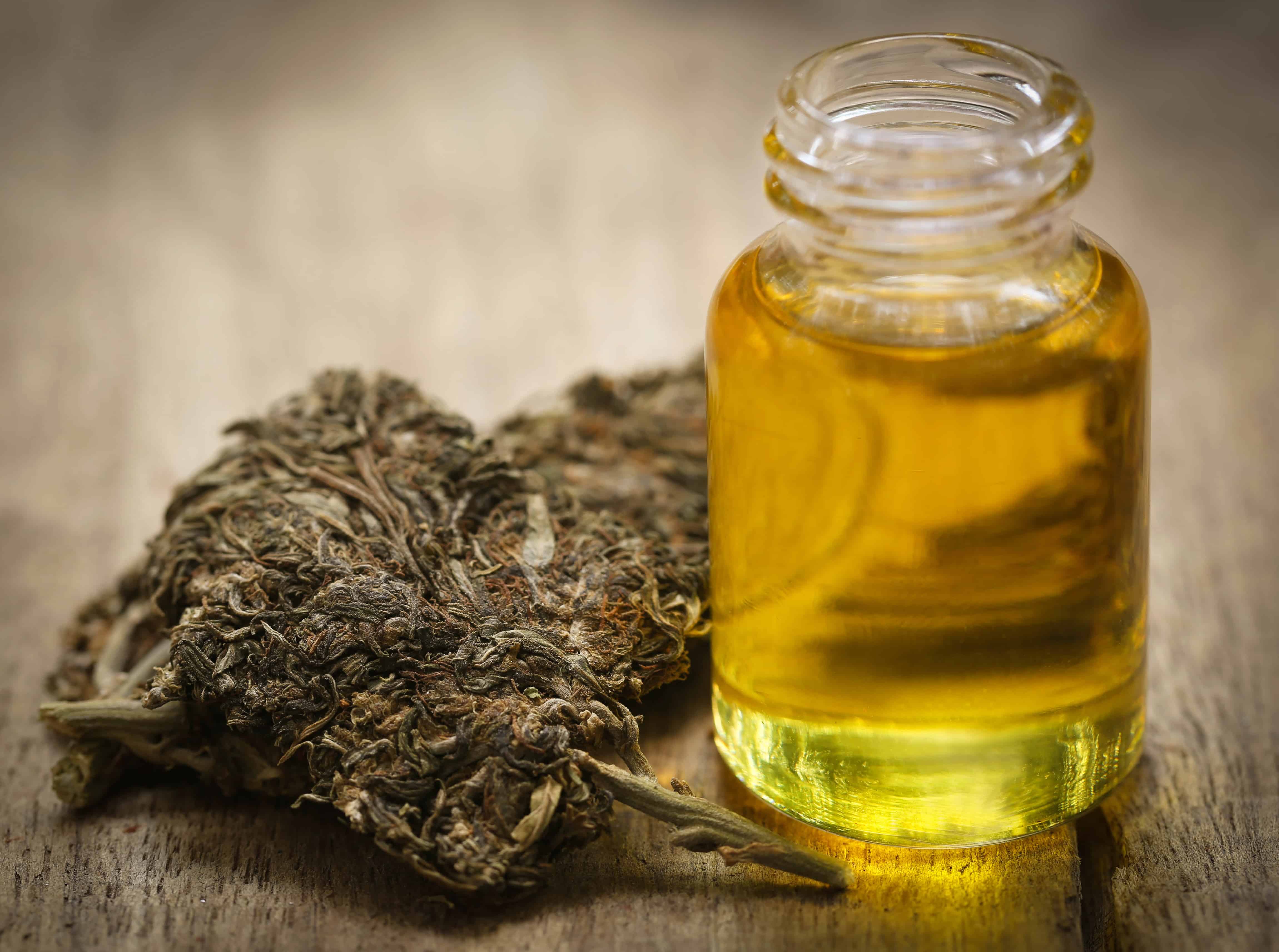
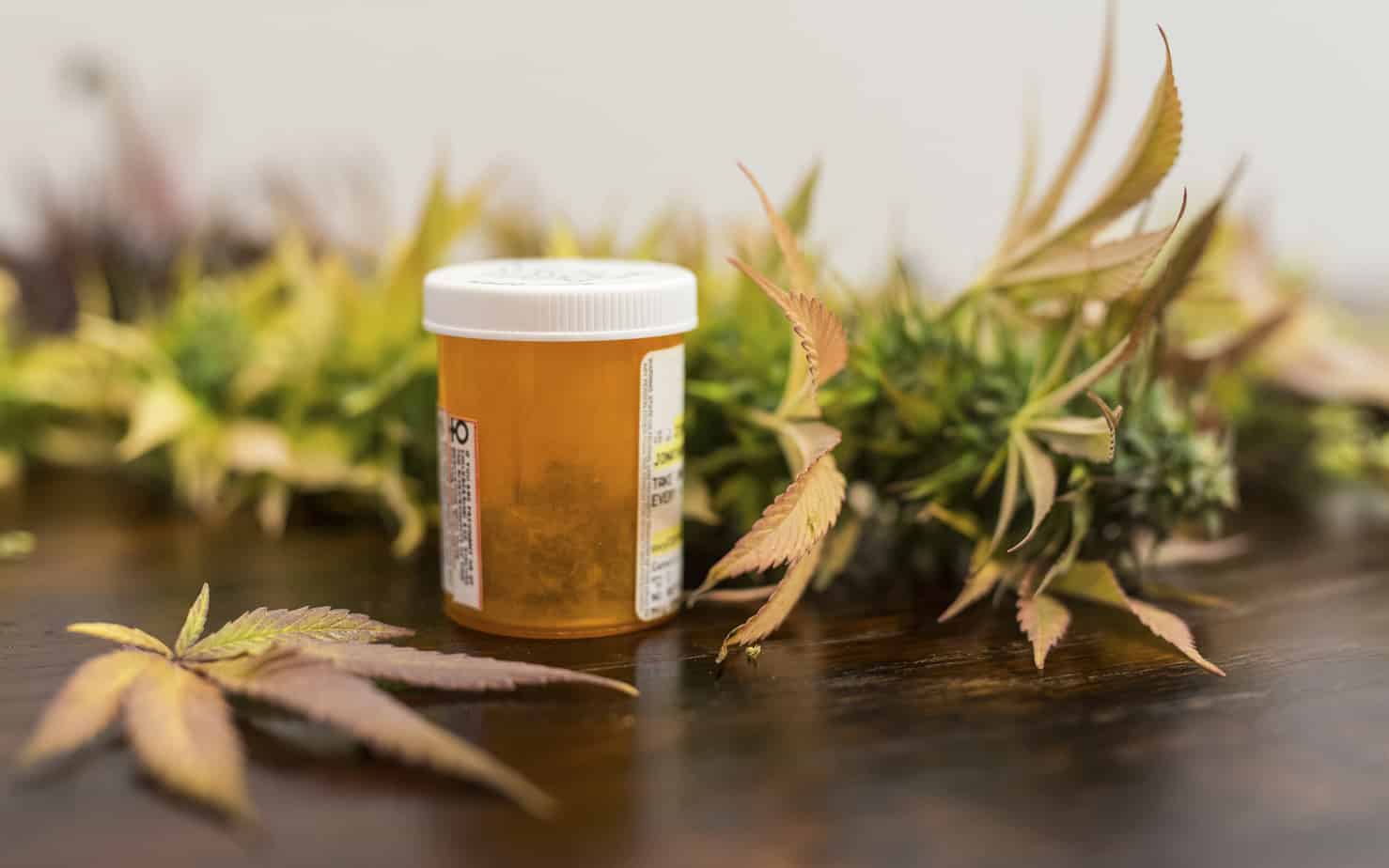
As a primary care doctor who has incorporated medical cannabis into his practice, it is notable how many silver-haired patients are coming in to discuss the pros and cons of a trial of medical cannabis. These patients range from people in their 60s with kidney failure who can no longer take certain pain medications but still need to manage chronic pain, to patients in their 90s, who are looking for a good night’s sleep and are leery of the side effects of traditional sleep medications. Some of them — typically “children of the 60s” — are quite comfortable with the idea of using medical marijuana; others bring it up quietly, as if they are asking permission to break the law.

According to a recent study in the Journal of the American Medical Association, cannabis use among older adults (defined as 65 and older) in the US has been steadily increasing. In this study, the prevalence of past-year use increased from 2.4% to 4.2% from 2015 to 2018. This study is consistent with other research, as well as with reports from physicians who recommend cannabis in their daily practices.

What might be behind this trend?

Read Full Article Here

Stories you may be interested in

Data Migration During EMR Changes

One of the most challenging aspects when deciding to switch to a new EMR system is how to get existing data from the old system to the new system safely, securely and accurately.  Many times, the scope of this task is enough to force providers to remain with a subpar vendor even though there are…
Read More

Unstructured EHR data more useful for predictive analytics, study shows

A new report in the Journal of the American Medical Informatics Association has shown that real-world data contained in unstructured narratives has big predictive value when it comes to clinical research. WHY IT MATTERSWhile structured clinical notes in the electronic health record have obvious value, the research in JAMIA suggests that real-world data captured in unstructured notes…
Read More

Medical marijuana helped elderly with chronic pain and reduced their use of opioids, study found

Your grandparents’ chronic aches and pains might best be eased with a little weed, a new study suggests. Not only did folks over 75 who took medical marijuana report less pain, their use of pot-based capsules, tinctures and e-cigarettes allowed a third of these patients to reduce their use of opioid painkillers, researchers found. “Medical marijuana, in…
Read More

LEGALIZING CANNABIS LINKED TO LESS OPIOID PRESCRIPTIONS, COULD HELP COMBAT EPIDEMIC, SCIENTISTS SAY

There are less opioid prescriptions on average in U.S. states where medical and recreational marijuana are legal, research has revealed. Access to recreational cannabis in the U.S. was tied with a 11.8 percent lower rate of opioids prescriptions each day, and 4.2 percent for medical marijuana. The authors of the paper published in the Journal of Health Economics said recreational weed…
Read More

Finally, Georgia can grow medical marijuana. Here’s what you need to know.

Four years ago, Governor Nathan Deal signed into law Haleigh’s Hope Act, which made low-THC cannabis oil legal to use by those with certain medical conditions. However, as it was still against the law to buy or grow marijuana in the state, it was virtually impossible to obtain the oil in Georgia. Patients were forced…
Read More

Dr. Sanjay Gupta on medical marijuana: We are in an age of wisdom, but also an age of foolishness

When we released “Weed” in 2013, few people had ever heard of cannabidiol, or CBD. Now, two-thirds of Americans are familiar with the compound, and 1 in 7 have tried it. Most of the country, 93%, are in favor of medical marijuana and hemp-derived CBD itself, which has less than 0.3% THC, has been legalized in every state.It’s…
Read More

Leave a Comment

You must be logged in to post a comment.